
Phillip Island. The name conjures images of waddling penguins and rugged coastlines. But nestled within its heart, the Phillip Island Wildlife Park offers a different kind of magic, one often overlooked in the rush to see the evening parade. Especially now, in the tranquil embrace of an Australian winter (yes, even here in Victoria, it’s cozy!), the park reveals a more intimate, reflective side, a place where the whispers of the wild invite a deeper connection.
Forget the bustling crowds of peak season. August on Phillip Island brings a crispness to the air, a gentle quiet that amplifies the rustle of leaves and the soft sounds of native creatures. This isn’t just a place to see animals; it’s an opportunity to feel their presence and appreciate the vital work behind their well-being.
More Than Just a Photo Op: The Art of Connection
What sets Phillip Island Wildlife Park apart isn’t just the sheer number of species (over 100!), but the unique chance for respectful interaction. Imagine this: a kangaroo, perhaps a mum with a joey peeking from her pouch, approaches you with soft eyes. You extend a hand, offering a piece of the provided kangaroo food, and feel the gentle nudge of its muzzle. This isn’t a staged encounter; it’s a moment of mutual curiosity, a brief, beautiful exchange with an iconic Australian resident. Wallabies, too, roam freely, their quiet hops and curious gazes creating an almost meditative experience as you stroll through their expansive, natural habitat.
In winter, these interactions can feel even more special. The animals are often more active during the cooler parts of the day, and with fewer visitors, you might find yourself with a mob of kangaroos almost to yourself, allowing for truly unhurried observation and connection.
Beyond the Famous Five: Uncovering Hidden Gems
While everyone loves kangaroos, koalas, wombats, emus, and even the “tempestuous cassowary” (as one description aptly puts it!), the park is a treasure trove of lesser-known marvels. Keep an eye out for the unique echidnas, those spiky, shy wonders, diligently foraging. Listen for the raucous laughter of kookaburras echoing through the trees, a quintessential Australian sound. You might spot various species of owls and tawny frogmouths, masters of camouflage, tucked away in their nooks – a particular treat for winter visitors when the sparse foliage can offer better viewing.
The focus here isn’t just on showcasing. The park’s commitment to Australian wildlife extends to species that are harder to spot in the wild, offering a vital educational platform and a safe haven.
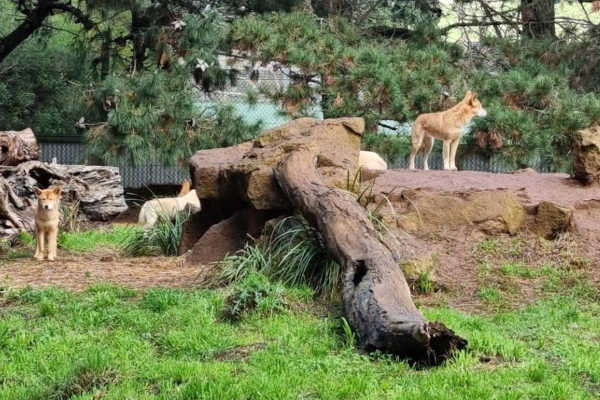 A Sanctuary with a Story: The Heart of Conservation
What truly makes this wildlife park resonate is its underlying purpose: conservation. While not directly part of the larger Phillip Island Nature Parks (which manages the Penguin Parade and Koala Conservation Reserve), the Phillip Island Wildlife Park contributes to an overall ecosystem of care on the island. By visiting, you’re directly supporting the maintenance of these expansive, natural enclosures and the care of these animals. It’s a reminder that every interaction, every ticket purchased, plays a part in preserving Australia’s unique biodiversity.
In a region increasingly focused on eco-tourism and sustainability (Phillip Island Nature Parks, for example, is a self-funded conservation organisation), the wildlife park stands as a testament to providing accessible, engaging wildlife experiences that also foster appreciation and understanding.
Winter’s Gentle Invitation: Plan Your Visit
Embrace the cooler temperatures (a warm jacket and sturdy shoes are your best friends!). The quieter atmosphere of an August visit allows for a more personal experience. There’s no need to rush; take your time observing the subtle behaviours of the animals, enjoying the fresh air, and perhaps warming up with a coffee from the on-site facilities. Bags of kangaroo food are included with your entry, so you’re ready to engage from the moment you step in.
A visit to Phillip Island Wildlife Park is more than just another item on a tourist checklist. It’s a chance to slow down, connect with nature on a profound level, and leave with a deeper appreciation for Australia’s incredible native creatures and the dedicated efforts to protect them. It’s the quiet magic you didn’t know you were looking for.